How to Use a THC Distillate Syringe for Clean, Precise Dosing
Anyone who has worked with cannabis concentrates for a while knows that not all extracts are created equal. Some are thick and sticky, others runny and volatile. And then there is distillate, which sits in its own category because of how pure and potent it can be. A few years ago I picked up a glass syringe filled with amber liquid from a local shop, and I realised right then that the standard dab rig setup was not always the best tool for the job. That experience pushed me to learn more about the syringes themselves and how they fit into a larger routine with concentrates.
Using a thc distillate syringe is not complicated, but it does require a shift in how you think about dosing. Instead of guessing how much to scoop onto a nail or into a vape cartridge, you get a precise amount every time. That matters when you are working with something as concentrated as delta 9 thc distillate, where a single drop can make a noticeable difference. In this article I want to walk through the practical side of using one of these syringes, including the hardware, the filling process, and the best ways to consume the liquid once it is drawn up.
What Makes a THC Distillate Syringe Different
At first glance a thc distillate syringe looks like something you would see in a lab or a pharmacy. Most are made from borosilicate glass with a tight plunger seal to prevent leaks and oxidation. The tip is usually blunt and narrow, designed to fit into the fill port of a distillate cartridge or the top of a dab rig without spilling. Because distillate is a liquid rather than a waxy solid, it flows easily through the syringe, which makes loading much cleaner than trying to transfer a sticky concentrate with a metal dabbing tool.
The difference between a distillate syringe and a regular syringe is the material. Glass is nonreactive, so it does not leach anything into the cannabinoid-rich liquid. It also tolerates the gentle heat you might need to thin out a thicker batch of delta 8 thc. I have seen people try to use plastic syringes for the same purpose, and the plastic can degrade or impart a taste that ruins the terpene profile. A glass syringe avoids that problem and can be reused many times with proper cleaning.
Filling and Handling the Syringe
Most distillate syringes arrive pre-filled from the manufacturer, especially if you buy them through a retailer like kush station. But if you are filling your own, the process is straightforward. Warm the bottle of concentrate slightly by placing it in a sealed bag under warm running water for a minute or two. Remove the plunger from the glass syringe, insert the tip into the liquid, and slowly pull back on the plunger to draw the distillate into the barrel. Avoid sucking up any sediment or plant material that may have settled at the bottom.
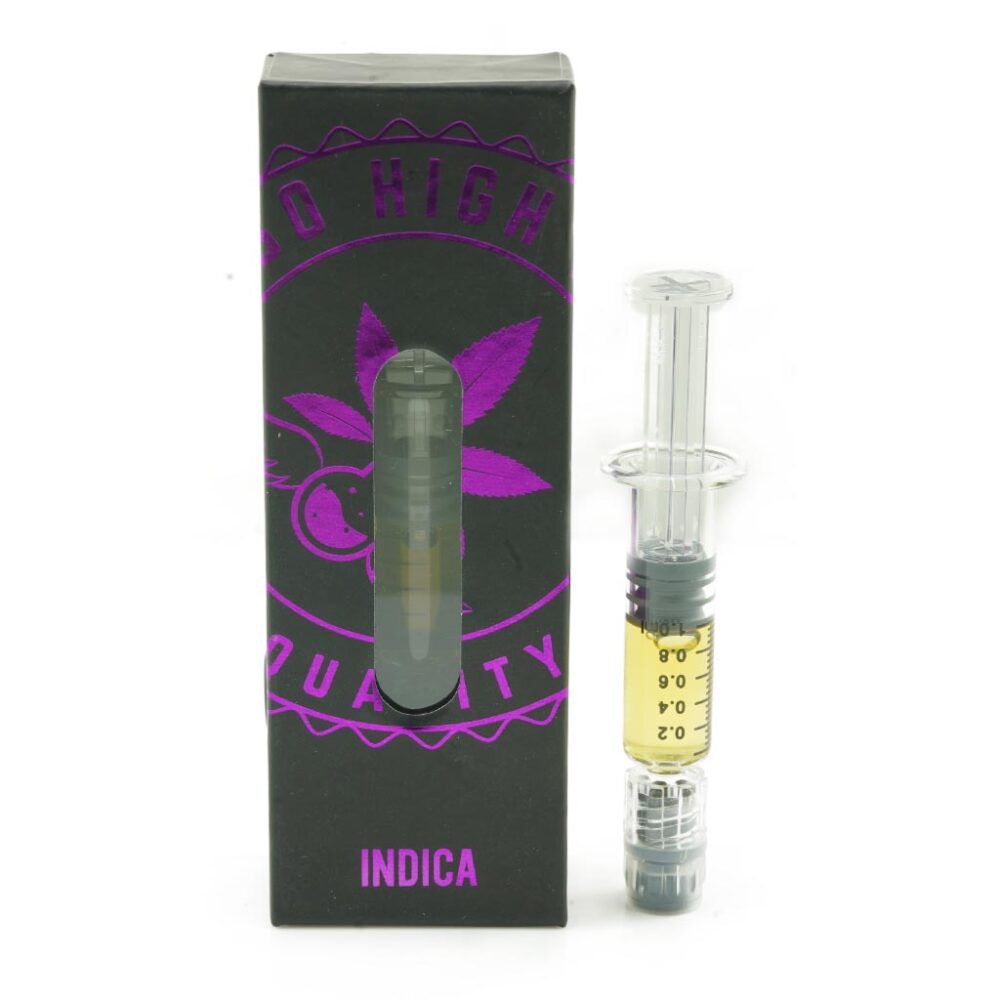
Once the syringe is full, tap it gently to bring any air bubbles to the top, then push the plunger until a tiny drop appears at the tip. That step removes air from the chamber and ensures that every dose is consistent. If you are loading a thc vape cartridge, you can insert the tip directly into the fill port and depress the plunger slowly. The narrow bore of the syringe gives you fine control, so you can fill a 0.5 ml cartridge without overfilling and causing leaks.
I have found that a ceramic coil works especially well with distillate because it heats evenly and does not scorch the liquid. A standard metal coil can sometimes produce a burnt taste if the wattage is too high, but ceramic distributes the heat more gently, preserving the subtle notes in the terpene profile. That matters more with distillate than with a heavier concentrate like RSO, because distillate is so stripped of impurities that every flavor compound stands out.
Different Consumption Methods
Not everyone wants to use a vaporizer pen. Some people prefer a dab rig for the ritual and the immediate effect. In that case, you can use the thc distillate syringe to place a single drop directly onto the banger or nail. The liquid vaporizes almost instantly, and because the dose is measured, you avoid wasting product on a too-large dab that leaves residue. I have also seen people drop a small amount onto a bowl of dry herb, though that method is less common with high-potency distillates.
Another option is to add the distillate to an edible recipe. Since distillate is already decarboxylated from the extraction process, you can mix it directly into oil or butter without needing to heat it further. A syringe makes it easy to measure out exactly 10 or 20 milligrams of delta 9 thc and stir it into a batch of brownies or salad dressing. The precision is hard to achieve with a sticky concentrate that you have to scrape out of a jar.
Extraction Methods That Affect the Liquid
The quality of the distillate inside the syringe depends heavily on how it was extracted. Solventless extraction methods, such as pressing rosin with heat and pressure, produce a very clean product but usually yield a thicker, more viscous liquid that may need warming before it flows well through a syringe. CO2 extraction, on the other hand, uses carbon dioxide under pressure to pull cannabinoids and terpenes from the plant material, resulting in a lighter, more fluid distillate that is ideal for syringes and cartridges.
Live resin is another common starting material for distillate. It is made from freshly frozen cannabis that has never been dried, which preserves a wider range of volatile compounds. When that live resin is refined into distillate, the resulting liquid often has a more complex terpene profile than distillate made from dried or cured biomass. If you are buying a thc distillate syringe, it is worth asking whether the source material was live resin or something else, because that will affect both the flavor and the experience.
Potency and Cannabinoid Profile
THC potency in a distillate syringe can vary quite a bit from one product to the next. Some syringes contain delta 9 thc exclusively, while others blend delta 8 thc and delta 9 thc to create a more balanced effect. Delta 8 thc is less psychoactive than delta 9, so a blend can be useful for people who want the therapeutic benefits of a high cannabinoid concentration without the intensity of pure delta 9. The label on the syringe should state the thc potency and the ratio of cannabinoids, but many small-batch producers do not test every batch, so there is some guesswork involved.
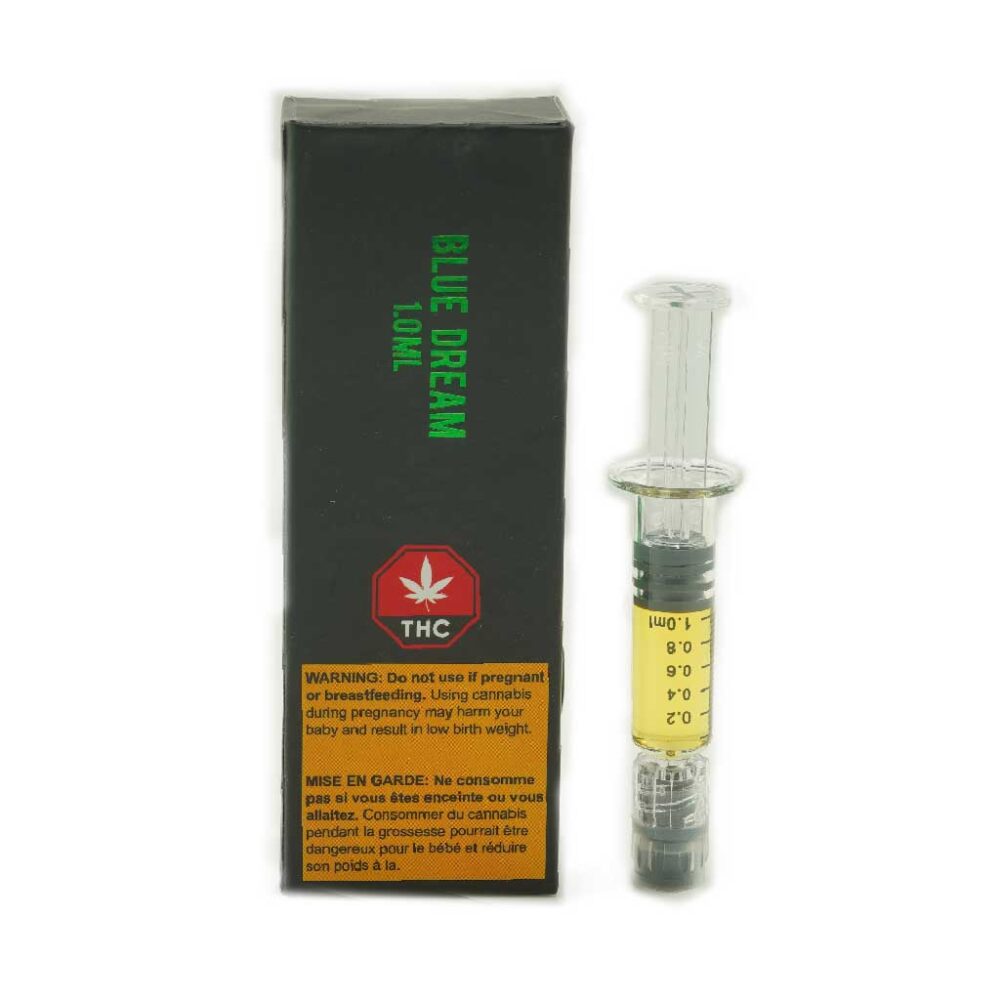
I have tried a few syringes from different sources, and the differences are real. One brand offered a distillate that was nearly clear and had a very mild flavor, almost like plain oil. Another was darker amber with a strong herbal taste that lingered. Both were labeled as distillate, but the second one clearly contained more plant-derived compounds. Neither was wrong, but they suited different preferences. The key is to start with a small dose and adjust based on how your body responds.
Cleaning and Reusing the Syringe
A glass syringe can be reused many times if you clean it properly after each use. Remove the plunger, rinse the barrel with warm water, then soak it in isopropyl alcohol for a few minutes to dissolve any residual oil. Rinse again with warm water and let it air dry completely before storing. Do not boil the syringe or put it in the dishwasher, because rapid temperature changes can crack the glass. A well-maintained syringe should last for dozens of fills without losing its seal or its smooth action.
If you are using a thc distillate syringe to fill a distillate cartridge, keep in mind that the cartridge itself also needs occasional maintenance. The ceramic coil or wick can become clogged over time if the distillate is too thick or contains particulate matter. Filtering the distillate through a fine mesh before drawing it into the syringe can help extend the life of the cartridge and keep the vaporizer pen working reliably.
Practical Tips for Everyday Use
Here are a few things I have learned from using distillate syringes regularly:
- Store the syringe upright in a cool, dark place to prevent the plunger from sticking and the liquid from degrading.
- If the plunger becomes hard to push, warm the barrel slightly with your hands or a low hair dryer setting.
- Do not mix different batches of distillate in the same syringe unless you are sure they are compatible.
- Label the syringe with the strain or type if you have more than one, because the liquids can look identical.
- Keep the tip capped when not in use to avoid spills and contamination.
These small habits make a big difference over time. A syringe that is stored improperly can develop a stubborn residue that is hard to clean, and a mix-up between two different batches can ruin an evening if you accidentally dose too high or too low.
Comparing Distillate to Other Concentrates
Distillate is not the only liquid concentrate on the market, but it stands apart from options like RSO or live resin because of its purity. RSO, or Rick Simpson Oil, is a full-spectrum extract that contains a lot of plant waxes and chlorophyll. It is effective but thick and dark, and it does not flow through a syringe easily. Live resin is closer to distillate in consistency, but it is usually sold as a sticky semi-solid rather than a free-flowing liquid. The distillate syringe fills a specific niche for people who want the convenience of a pre-measured liquid that can be dispensed drop by drop.
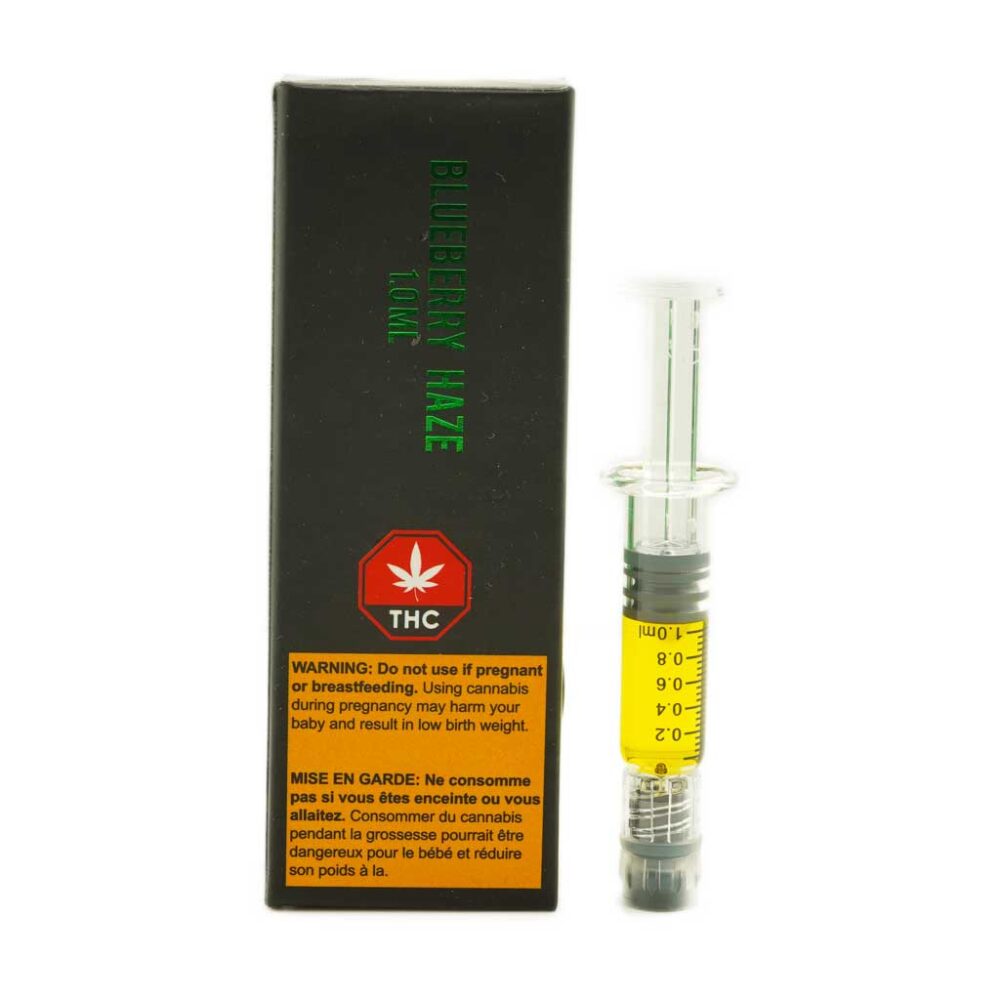
THC vape cartridges pre-filled with distillate are also common, but they lock you into a specific device and coil type. With a syringe you can choose your own hardware, whether that is a refillable cartridge with a ceramic coil, a dab rig, or even a simple dropper for edibles. That flexibility is the main reason I switched to syringes years ago and have not looked back.
If you are new to this format, start with a small syringe, maybe 0.5 ml or 1 ml, and a vaporizer pen that accepts standard 510 thread cartridges. Fill the cartridge with a few drops from the syringe, let the coil saturate for a few minutes, and then test the temperature settings on your pen. The right temperature will vary depending on the specific distillate and the coil material, but a good starting point is around 2.8 to 3.2 volts for a ceramic coil. Adjust up or down based on the vapor production and flavor.
Using a thc distillate syringe is one of those small upgrades that changes your whole routine. It removes the guesswork, the mess, and the waste that come with handling sticky concentrates. Whether you are filling a cartridge for a night out or measuring a drop for a dab rig, the syringe gives you control that a jar and a dabbing tool simply cannot match. If you have not tried one yet, it might be worth picking up a glass syringe and a bottle of quality distillate to see if it fits your style.
Corrections
Spot something wrong? Send it to the desk and it gets fixed in the open.